Water Station Setup
Water station setup refers to a designated self-service or attended service point within a hotel banquet or event space where guests access still, sparkling, or infused water, typically comprising a skirted table, water vessel, glassware, ice, garnishes, and napkins — all specified in the Banquet Event Order.
A water station setup is a designated service point within a hotel banquet or event space where guests access still, sparkling, or infused water. It typically consists of a skirted or linen-draped table, a water vessel (carafe, pitcher, or dispenser), glassware or disposable cups, ice, garnishes, and cocktail napkins. Every element — type of water, service method, quantity, and station placement — must be specified in the Banquet Event Order (BEO) before the event.
Types of Water Station Setups
Water stations in hotel events take three main forms depending on event format and service style. The right choice is determined by the BEO and confirmed with the Banquet Captain.
- Table water setup: Pitchers or carafes are pre-set on guest tables and refilled tableside by servers. Standard for plated dinners and formal banquets, including banquet rounds.
- Self-serve station: A freestanding or table-mounted dispenser where guests serve themselves. Common during receptions, cocktail hours, buffet service, and break service. May require a sneeze guard depending on local health codes.
- Passed water: Servers circulate through the room with pitchers, filling glasses on request. Used at cocktail receptions and upscale events where a freestanding station would interrupt the aesthetic.
Standard Components
A complete water station setup includes more than just water. Every item serves a functional or presentation purpose.
- Skirted or linen-covered table (see: table skirting, linen drape)
- Water carafes, pitchers, or plumbed dispenser
- Ice bucket or ice bin (must use scoops — no bare-hand contact per ServSafe)
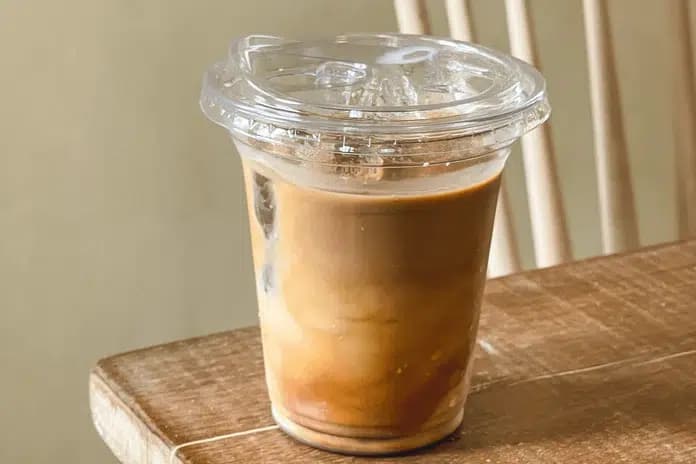
- Glassware or disposable/compostable cups
- Garnish tray with citrus slices, cucumber, mint, or berries for infused water
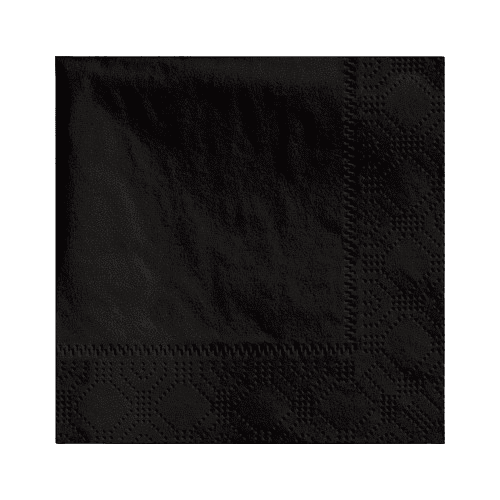
- Cocktail napkins or beverage napkins
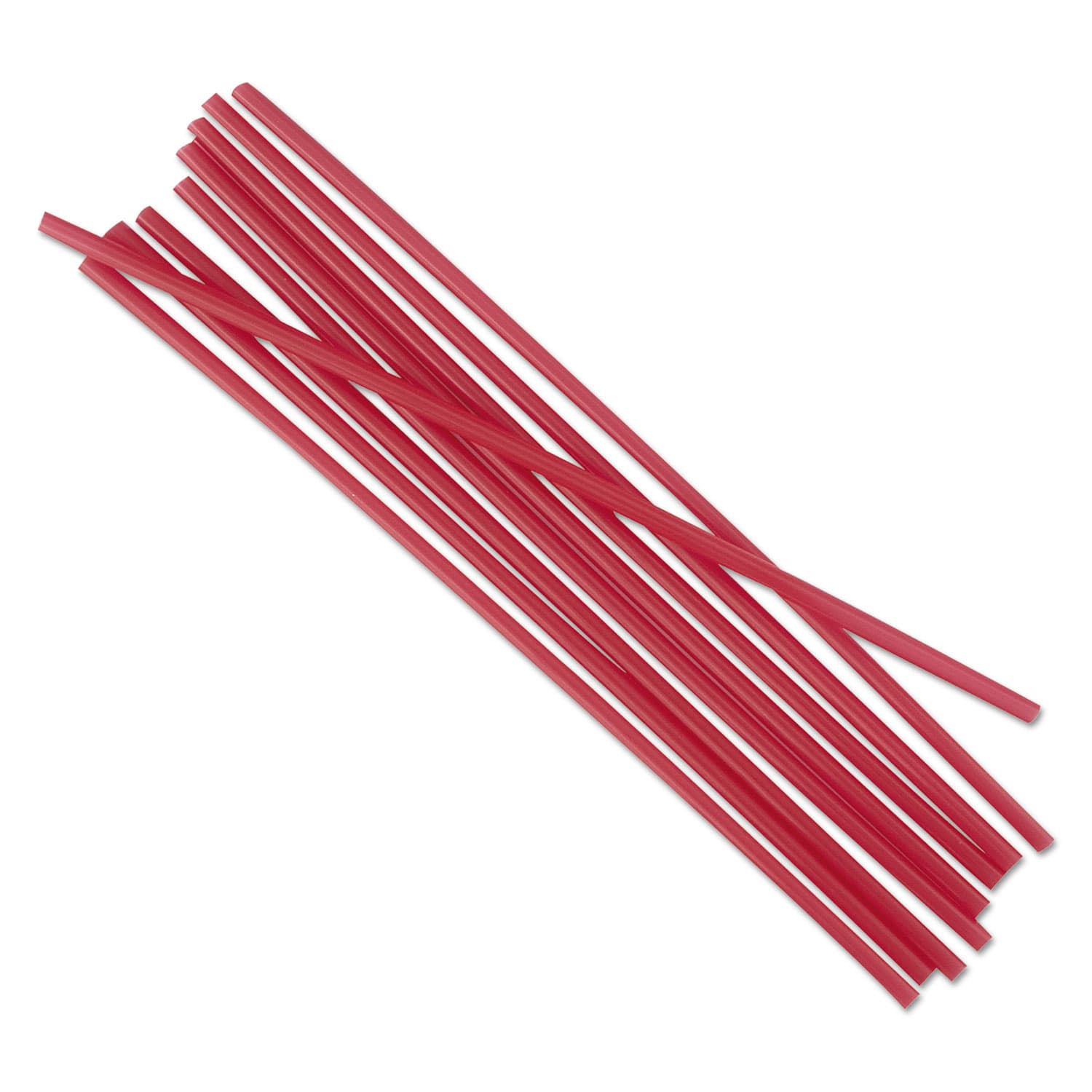
- Cocktail straws or stirrers from the straws and stirrers category
Quantity Planning
Professional caterers use a standard hydration benchmark to calculate water volume per event. These figures are starting points — always build in a 10–20% buffer.
- 4-hour indoor event: 0.5 gallons (2 liters) per person — roughly 200–240 standard 16.9 oz bottles for 100 guests
- Outdoor warm-weather event: 0.75 gallons per person
- All-day (8-hour) event: 1 gallon per person — roughly 300–400 bottles for 100 guests
Outdoor setups require additional planning for heat exposure, lack of plumbing, and wind. See outdoor catering setup for a full breakdown of those variables.
Station Placement and Floor Plan Logic
Water station placement follows the same spatial logic as food stations and buffet lines — position to manage guest flow, not interrupt it. Stations should allow staff to restock from behind without crossing guest pathways.
Water stations are frequently paired with a banquet coffee station during meeting breaks, forming a unified beverage break area. In serpentine buffet layouts, water stations are typically positioned at the ends or flanking the buffet line to provide hydration access without disrupting the food service sequence.
Self-serve dispensers must be positioned at ADA-compliant heights — maximum 48 inches forward reach — to ensure accessibility for guests using wheelchairs or mobility aids.
Food Safety Requirements
Water stations are subject to HACCP principles and local health department regulations. Ice and chilled water must be held at or below 41°F at all times. Ice must be handled with scoops — never bare hands — to prevent cross-contamination.
Infused water with fresh fruit, cucumber, or herbs is subject to time-temperature control requirements. Each batch must be time-stamped and discarded according to your property’s safe holding timeframe. Banquet service staff responsible for water stations should hold a current ServSafe certification.
BEO Documentation
Every water service detail must appear in the BEO as an explicit line item: water type (still, sparkling, infused), service method (pre-set, self-serve, passed), volume, station location, and replenishment schedule. Any guest request for a water type not listed in the BEO — such as sparkling water at an event where only still was contracted — may result in additional charges per standard F&B SOP.
Sustainable Water Station Alternatives
Replacing single-use plastic bottles with plumbed-in purified refill stations or reusable glass carafes eliminates per-event plastic waste and reduces ongoing supply costs. Infused water stations built with fresh fruit and herbs provide an upscale, zero-plastic alternative at low cost-per-serving. Properties pursuing LEED or Green Key certification should document reusable carafe and glassware use as part of their waste reduction records.
When disposable cups are required — outdoor events, high-volume break stations — BPI-certified compostable cups and PLA-based serviceware are the preferred option. For more on reducing event environmental impact, see sustainable hospitality.
Common Uses
Department & Usage: Water station setup is managed under the Food & Beverage department, with direct oversight from the Banquet Captain or Banquet Manager. The Banquet Set-Up Attendant (Banquet Houseman) handles initial station assembly before the event begins; Banquet Servers or Server Attendants manage ongoing replenishment per the BEO schedule. Water stations appear across nearly every event type — corporate meetings, plated dinners, receptions, conferences, and outdoor catering — with format (self-serve, table pre-set, or passed) determined by the service style and event specifications documented in the BEO.
Sustainability
Replacing single-use plastic water bottles with plumbed-in or filtered refill stations eliminates per-event plastic waste and provides measurable cost savings over time. Reusable glass carafes and glassware at water stations significantly reduce event waste; properties pursuing LEED or Green Key certification should document these practices. Infused water stations (fruit, cucumber, herbs) deliver a zero-plastic, upscale alternative at low cost-per-serving. When disposable cups are unavoidable — outdoor setups, high-volume break stations — BPI-certified compostable cups and PLA-based serviceware are the preferred sustainable option, aligning with a hotel's broader sustainable hospitality commitments.
Related Products