Outdoor Catering Setup
Outdoor catering setup refers to the complete configuration of portable food service equipment, furniture, shelter, power, sanitation infrastructure, and tableware deployed at an open-air or off-premise event location outside a hotel's permanent kitchen or banquet hall.
An outdoor catering setup is the full assembly of portable food service equipment, furniture, shelter, power, sanitation infrastructure, and tableware deployed at an open-air or off-premise event location — outside a hotel’s permanent kitchen or banquet hall. Common venues include hotel courtyards, poolside decks, garden terraces, beach sites, parks, and remote off-premise locations where fixed utilities like gas lines, plumbing, and hardwired power are not available.
How Hotel Departments Coordinate Outdoor Catering
Three hotel departments share responsibility for outdoor catering events. Catering Sales handles client acquisition, contract negotiation, and banquet event order (BEO) creation — with the BEO serving as the primary planning document that must account for site logistics, power sourcing, weather contingencies, permit requirements, and waste disposal. The Set-Up department executes the physical layout: tents, canopies, tables, chairs, bars, food stations, and dance floor panels. The Banquets department runs food and beverage service during the event itself.
Space Planning Standards
The National Association of Catering and Events (NACE) recommends 10–12 square feet per person for round-table buffet-style dining, with a minimum 54 inches between table edges and 60 inches for main traffic aisles. Outdoor and tented configurations should add 20–30% above that base calculation to accommodate service zones, buffet station access, and circulation paths. This planning standard applies directly to outdoor setups, where terrain, tent poles, and generator placement further affect usable space.
Essential Equipment Categories
Outdoor catering equipment falls into six functional categories. Temperature management is the most operationally critical: chafing dishes powered by fuel canisters handle hot holding without electricity, while insulated carriers — the Cambro brand is industry standard — maintain safe serving temperatures during transit. Insulated carriers keep hot food above 140°F and cold food below 40°F, the boundaries of the temperature danger zone, without requiring any power source.
Portable cooking appliances include gas and charcoal grills, propane ovens, smokers, and countertop induction burners. Induction cooktops are particularly well-suited for outdoor use: they produce no ambient heat, operate at up to 90% energy efficiency, and deliver precise temperature control regardless of weather conditions. For events without access to power, propane and butane are the most versatile fuel sources; electric appliances require a generator.
Furniture and shelter infrastructure includes canopy tents, banquet rounds, highboys, cocktail rounds, folding chairs, and linen drapes for station dressing. Sneeze guards and stanchions manage guest flow and food safety compliance at buffet lines. Sanitation infrastructure — including portable handwashing stations, sanitizing supplies, and waste/recycling bins — is mandatory at most outdoor venues under local health department regulations.
Food Safety Compliance
HACCP principles govern outdoor catering food safety, with particular emphasis on time-temperature control throughout transport and service. ServSafe-certified staff are best practice for outdoor events, where the absence of fixed kitchen infrastructure makes discipline around cold holding, hot holding, and cross-contamination prevention more operationally demanding. NSF-certified food-contact equipment — carriers, chafers, pans, cooktops — meets public health standards required by local health departments at temporary food establishments.
Most jurisdictions require a temporary food establishment permit for outdoor or off-premise catering. Permit requirements typically include documented food temperature logs, proof of certified food handler staff, and portable handwashing stations wherever no plumbing is available.
Tableware and Serving Supplies
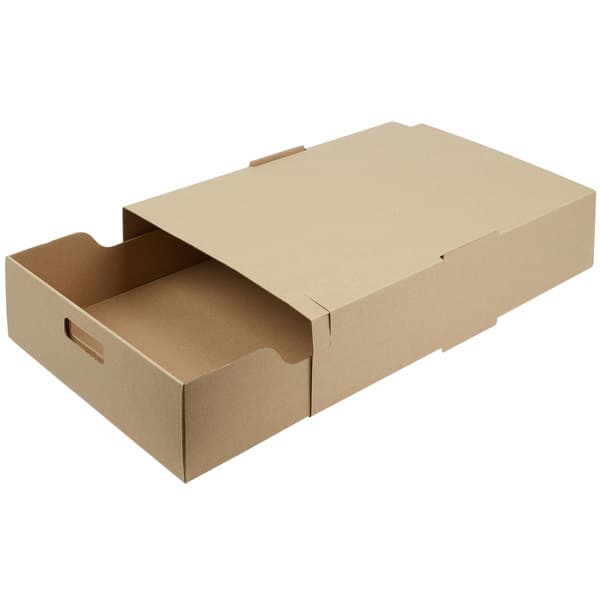
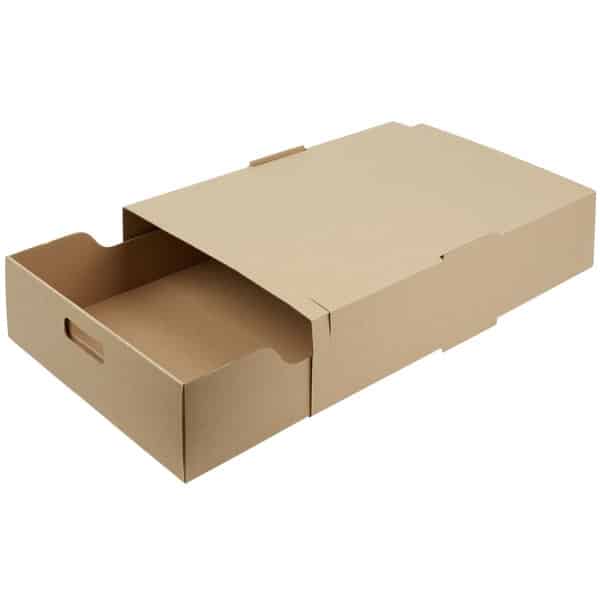
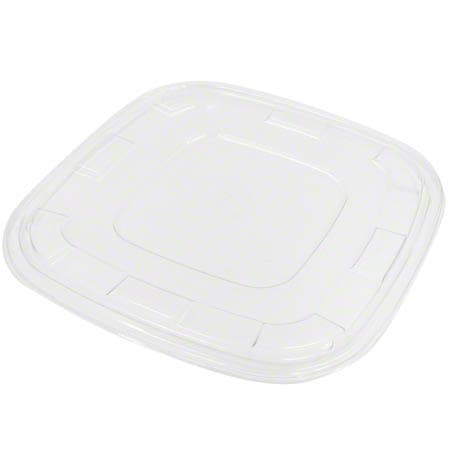
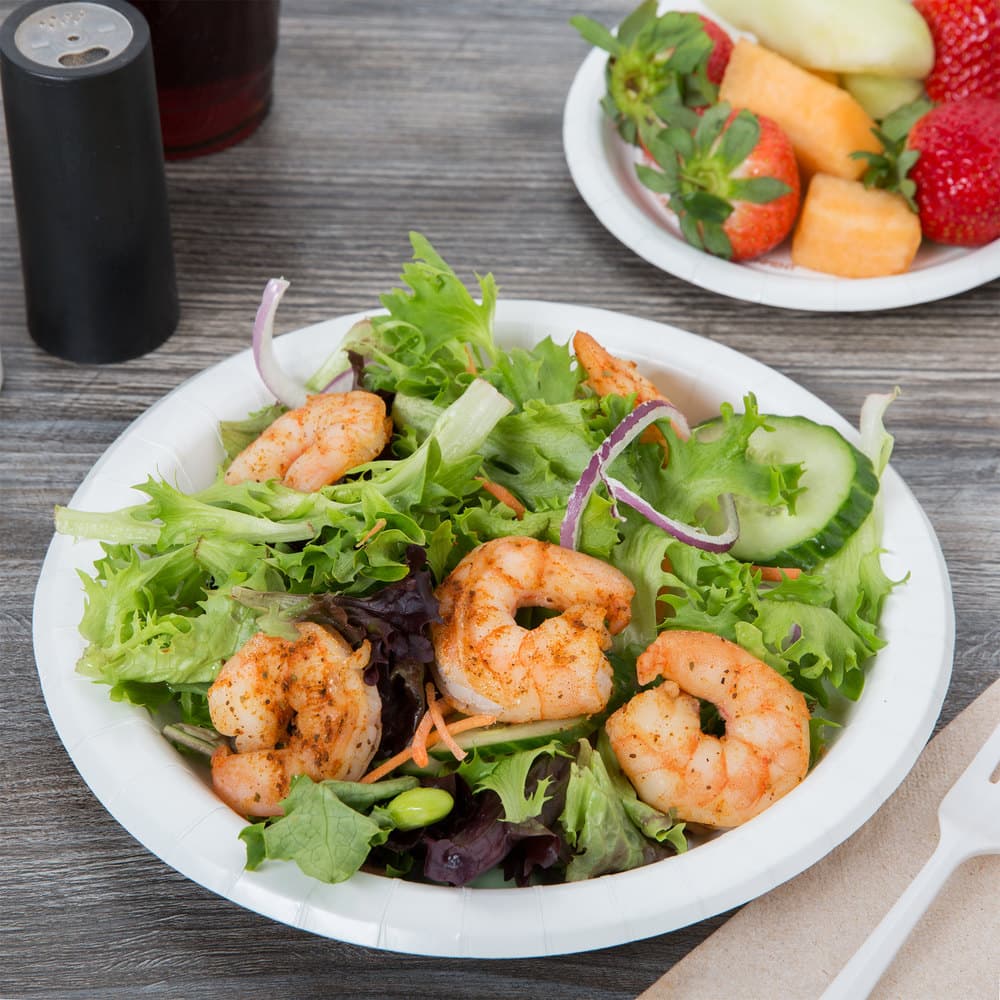
Disposable and compostable tableware is the standard choice for outdoor catering because it eliminates on-site warewashing, reduces equipment transport weight, and lowers labor costs. Sugarcane bagasse and molded fiber plates and bowls are durable with both hot and cold foods. BPI-certified compostable serviceware that meets ASTM D6400/D6868 standards supports hotel sustainability programs and green event certifications. Kraft paper catering trays with covers offer a biodegradable alternative to foam or plastic transport containers while maintaining food-safe insulation during transit.
For tableware sourcing, see Fiber Plates, Bowls and Lids, Cutlery, and Catering Supplies in the SupplyClub catalog.
Service Formats
Outdoor catering supports several service formats. Buffet service is the most common — guests self-serve from staffed or unstaffed food stations, which reduces labor requirements in open-air environments. Action stations and carving stations add interactive, high-visibility elements to upscale outdoor events. Butlered service — servers circulating with passed appetizers and beverages — suits cocktail receptions where no seated dining is planned. Family-style service works for smaller seated outdoor dinners where shared platters replace a buffet line. Post-event break down includes removal of all portable equipment, furniture, waste, and temporary infrastructure — a logistical step that must be planned and staffed in advance.
Common Uses
Department & Usage: Outdoor catering setups are coordinated across three hotel departments — Catering Sales, Set-Up, and Banquets — and are used for hotel courtyard receptions, poolside events, garden weddings, corporate outdoor functions, beach parties, and off-premise catering at parks or remote venues. The banquet event order (BEO) is the primary planning document and must address site logistics, power sourcing, weather contingencies, local permits, and waste disposal. Equipment selection scales with event size and menu type: grill menus require portable propane appliances; fine-dining formats may require warming cabinets, carving stations, and generator-powered equipment.
Sustainability
Compostable sugarcane bagasse and molded fiber plates, bowls, and catering trays are the preferred sustainable serviceware for outdoor catering events, eliminating on-site warewashing and reducing transport weight. BPI-certified compostable serviceware meeting ASTM D6400/D6868 standards supports hotel green event certifications and ESG reporting. Kraft paper catering trays with covers offer a biodegradable alternative to foam or plastic transport containers. Proper waste segregation — composting, recycling, and landfill — at the event site is a best practice for outdoor events held in environmentally sensitive locations such as beaches, parks, and public venues. Biodegradable cleaning products used during setup and breakdown further align outdoor catering operations with sustainable hospitality programs.
Related Products