Banquet Beverage Station
A banquet beverage station is a designated setup area within a banquet or event space where beverages — including water, coffee, tea, soft drinks, juice, or alcohol — are made available to guests through self-service dispensers or attended service by banquet staff, as specified in the Banquet Event Order (BEO).
A banquet beverage station is a dedicated setup area within a banquet or event space where beverages — including water, coffee, tea, soft drinks, juice, or alcohol — are made available to guests through self-service dispensers or attended service by banquet staff. Stations are specified in the Banquet Event Order (BEO), which governs every detail of the event including which beverages are served, service times, and station placement.
How Banquet Beverage Stations Work
Beverage stations fall under the hotel’s Food & Beverage (F&B) Department, with the Banquet Manager or Event Captain overseeing station layout, setup compliance, and service execution. Banquet servers handle pre-event stocking — loading dispensers with coffee, water, and ice, and placing cocktail napkins, straws, and garnish trays at each position.
Stations are either staffed or self-service, depending on formality and event type. Staffed stations assign a server or bartender to pour directly for guests — standard practice for alcohol service. Self-service stations use insulated dispensers or pitchers and are common for water, coffee, and soft drinks during conference break service.
Standard Equipment and Supplies
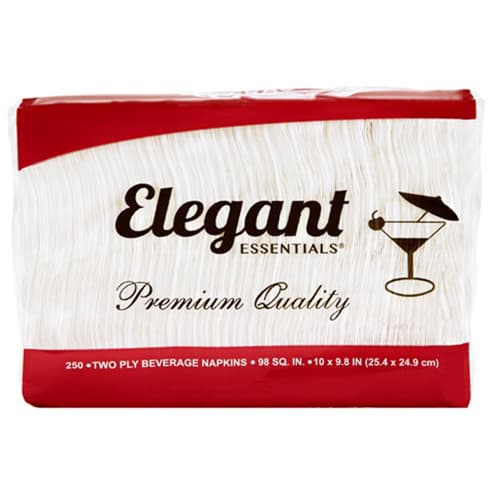
A fully stocked banquet beverage station typically includes insulated beverage dispensers, an ice well or ice bucket, glassware or disposable cups, cocktail napkins, a garnish tray, stir sticks or straws, and a drip tray or bar mat to absorb spills and maintain a clean presentation. Staffed bar stations also use a speed rail for spirit organization and a jigger for standardized alcohol portioning. When electrical heating isn’t available, Sterno keeps hot beverages at safe holding temperatures.
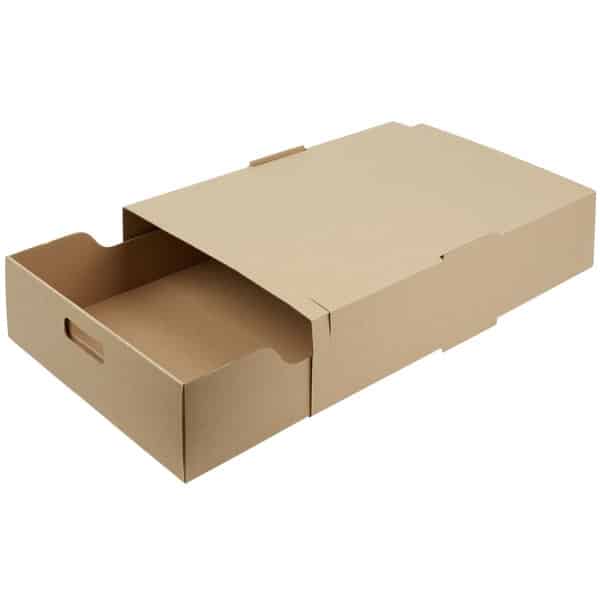
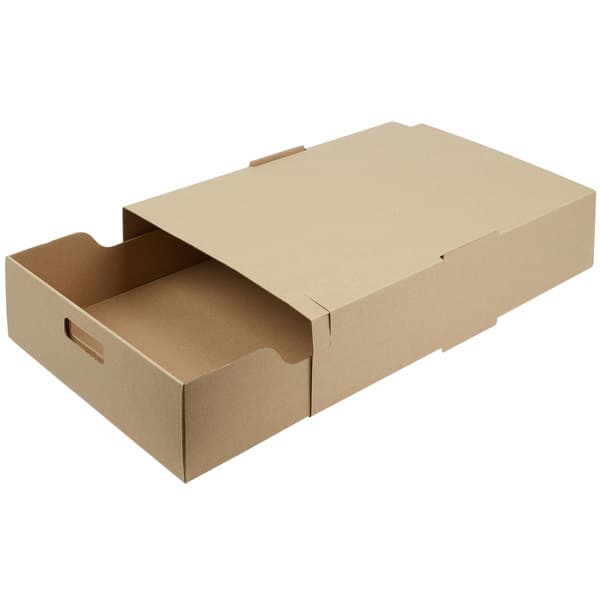
For self-service setups, a sneeze guard protects open dispensers and beverage containers from contamination, in line with food safety standards. A catering cart is used to transport supplies, dispensers, and replenishment items to and from the function space during setup and service.
Capacity Planning
A widely used planning benchmark is one 5-gallon insulated dispenser per 60–80 guests for high-demand beverages like coffee or iced tea. For events over 100 guests, splitting volume across multiple mid-size dispensers at separate stations reduces wait times and provides a backup if one unit runs empty during peak service.
Coffee consistently drives the highest demand at conferences, banquets, and corporate events, making insulated dispenser planning a critical pre-event step. Soft drinks must not be pre-poured in glasses more than 5 minutes before service, and draught beer is poured only as needed — both standard banquet SOPs for maintaining quality. For detailed hot beverage planning, see the related entry on Banquet Coffee Station.
Integration With the BEO and Event Layout
Every beverage offered at a station — from still water to cocktails — is listed in the BEO along with service windows and station positions. If a guest requests a beverage not listed on the BEO, banquet staff must determine whether an extra charge applies before fulfilling the request.
Beverage stations are frequently co-located with food stations or integrated into buffet service layouts. Premium events may include an action station format with a bartender or barista preparing specialty beverages to order. The back bar serves as the primary stocking and preparation zone that supports all front-of-house beverage stations.
Food Safety and Compliance
Hot beverages must be held above 135°F and cold beverages below 41°F throughout service, consistent with HACCP principles and local health department requirements. Insulated dispensers must be pre-heated or pre-chilled before the event begins — not just at the start of service.
All banquet beverage station staff must hold a valid food handler certification, typically through ServSafe or a state-approved equivalent. In states where alcohol is served, staff must also complete responsible beverage service training (e.g., TIPS or TAM) and comply with State Alcohol Beverage Control (ABC) regulations, including ID checking and refusal of service to intoxicated guests.
Profitability Impact
Beverage revenue is a significant contributor to banquet department profitability. Contribution margins — beverage income minus beverage costs — directly affect overall F&B department performance. Pour cost management at banquet stations, through standardized jigger pours and accurate BEO forecasting, is a key lever for keeping beverage margins healthy.
Key Properties
Common Uses
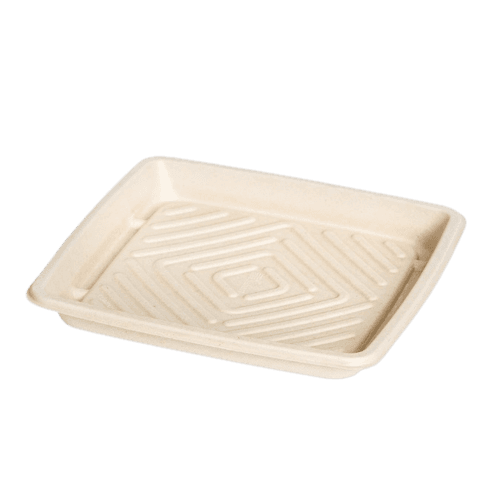
Department & Usage: Banquet beverage stations are managed by the hotel's Food & Beverage (F&B) Department, with oversight from the Banquet Manager or Event Captain. Banquet servers set up and restock stations before and during events. Stations appear in virtually every banquet, conference, corporate meeting, and social event format — from morning break coffee service to full hosted bars at galas. The BEO governs all station details including beverage selection, service timing, and station placement. Purchasing managers source disposable cups, cocktail napkins, and catering trays for station replenishment inventory.
Sustainability
Replacing single-use plastic cups with compostable alternatives — such as PLA-lined paper cups or bagasse fiber cups — reduces event waste without disrupting service. Infused water stations using dispensers or pitchers with fresh fruit eliminate the need for individual bottled water, cutting plastic waste and per-event cost. Bulk beverage dispensers reduce single-serving packaging waste across the board, a practice consistent with sustainable hospitality standards. Using cocktail napkins made from recycled or sustainable materials at stations supports sustainability goals while maintaining the polished presentation banquet service requires.