Banquet Trolley
A banquet trolley is a wheeled mobile cart used in hotel Food & Beverage and Banquet departments to transport food, beverages, tableware, and event furniture — including tables and chairs — between the kitchen, storage areas, and banquet or event spaces.
A banquet trolley is a wheeled mobile cart used in hotel Food & Beverage and Banquet departments to transport food, beverages, tableware, and event furniture between the kitchen, storage areas, and banquet or event spaces. It is one of the most essential pieces of operational equipment in high-volume event service, enabling a single staff member to move large quantities of items in a single trip rather than making multiple manual runs.
Types of Banquet Trolleys
Hotels use several distinct sub-types, each built for a specific operational task. Knowing which trolley to deploy — and when — is a basic competency for banquet setup crews and captains.
- Heated food trolleys: Insulated or electrically heated units that maintain hot food at or above 140°F (60°C) during transport from the kitchen to the event space. Also called a banquet roll-in. These are critical for HACCP compliance and work in tandem with chafing dishes and chafers at the service point.
- Refrigerated food trolleys: Cold-holding units that keep prepared foods at or below 40°F (4°C) during staging and transport. See also: cold holding.
- Dessert and carving trolleys: Purpose-built for tableside or buffet presentation service.
- Table trolleys: Vertical-stack carts designed to hold multiple folding or round banquet tables upright. These significantly reduce setup time when rolling banquet rounds from storage to the event floor.
- Chair trolleys: Single-stack and double-stack models allow staff to move large quantities of event chairs in one trip, reducing labor during setup and breakdown.
Construction and Design
Most commercial banquet trolleys are built from stainless steel or heavy-duty aluminum — materials selected for durability, corrosion resistance, and ease of sanitization. Swivel casters, ergonomic push handles, and lockable wheels are standard features that allow safe maneuvering across tile, carpet, and loading dock surfaces.
Food transport trolleys are typically configured with adjustable shelving tiers or dedicated GN runners to accommodate hotel pans (Gastronorm containers) in full, half, and third-size formats. This makes them a direct staging complement to Cambro transport containers and insulated carriers used in the same workflow.
Food Safety Requirements
Temperature-controlled banquet trolleys are a critical control point under HACCP and the FDA Food Code. Heated units must hold food at ≥140°F; refrigerated units must hold food at ≤40°F. Both thresholds exist to keep food out of the temperature danger zone (40°F–140°F), where bacterial growth accelerates rapidly.
NSF International certification is the standard to look for when purchasing food-contact trolley equipment — it confirms the unit meets commercial sanitation and materials requirements. Time-temperature control protocols should be documented and followed for every transport run, particularly for large-volume banquet events where food may sit in transit for extended periods.
Operational Use in Banquet Service
Banquet trolleys are operated primarily by banquet servers and setup crews, under the direction of the Banquet Captain and Banquet Manager. Pre-service, crews use trolleys to stage serviceware per mise en cart protocols — organizing server trays, platters, and GN pans before the event begins. During buffet service, trolleys are used to replenish food stations without disrupting guests.
Post-event, the same trolleys are used for clearing — removing used plates, glassware, linens, and leftover food from banquet tables and returning them to the kitchen or warewashing area. The expedite cart serves a similar transit function during plated dinner service, moving dishes from the kitchen pass to the service area.
Maintenance
Banquet trolleys require regular deep cleaning and surface sanitization after every use, particularly food-contact shelving and GN runners. Wheel lubrication, locking mechanism inspection, and structural integrity checks should be part of a routine maintenance schedule. OSHA ergonomic guidelines also apply — staff should be trained on proper load limits and pushing technique to prevent musculoskeletal injury, especially when moving heavy furniture trolleys.
Sustainability Considerations
Using heated banquet trolleys to transport food in bulk reduces the need for individually wrapped or disposable packaging, supporting sustainable hospitality goals. Trolleys that carry real dishware — plates, glassware, cutlery — further reduce reliance on single-use serviceware at large events.
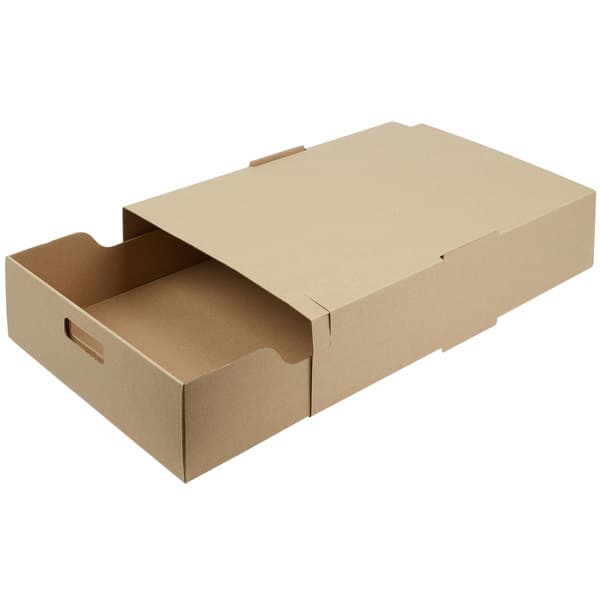
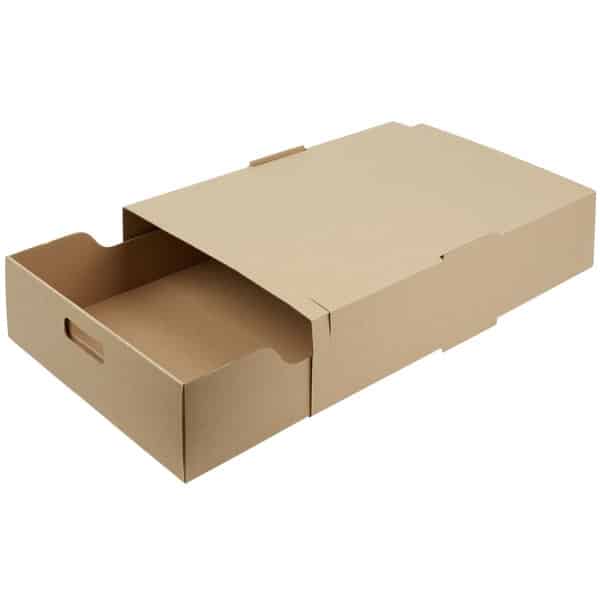
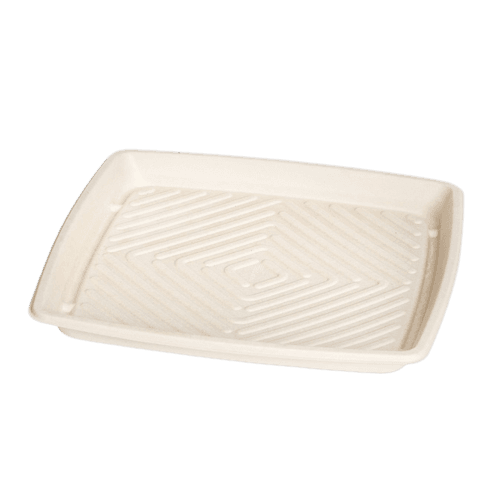
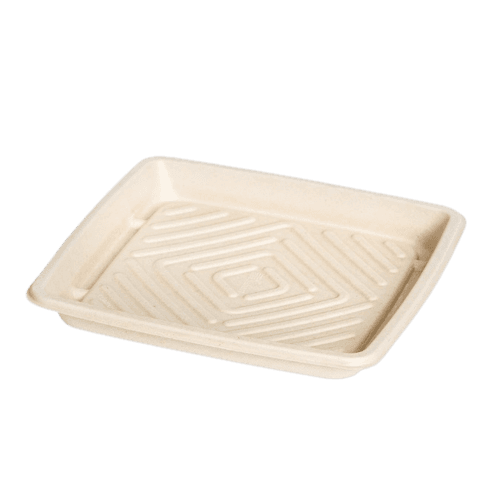
When events do require disposable serviceware — such as off-site catering or high-volume casual banquets — operators should choose compostable, PFAS-free options that can be staged and transported on trolley shelving. Products like molded fiber platters, bagasse bowls, and covered kraft catering trays are well-suited for trolley-based banquet service and minimize landfill impact. Browse catering supplies and food trays at SupplyClub for NSF-compatible, event-ready options.
Key Properties
Common Uses
Department & Usage: Banquet trolleys are used primarily by the Banquet & Events department — operated by banquet servers, setup crews, and banquet captains under the supervision of the Banquet Manager or Director of Catering. Pre-service, crews use food trolleys to stage hotel pans, platters, and serviceware from the kitchen. During service, heated and refrigerated trolleys maintain food temperatures through transit and are used to replenish buffet stations. Post-event, trolleys are used to clear and return dishware, glassware, linens, and leftover food to the kitchen or storage. Furniture trolleys (table and chair models) are used by setup crews during event room flip and breakdown.
Sustainability
Banquet trolleys support sustainability in hotel event operations by enabling bulk food transport without single-use packaging and by carrying real dishware instead of disposable serviceware. When disposables are necessary — for off-site catering, outdoor events, or high-volume casual banquets — operators should select compostable, PFAS-free options compatible with trolley shelving formats. Recommended choices include molded fiber platters, bagasse bowls, and covered kraft catering trays. Energy-efficient refrigerated trolleys with advanced insulation also reduce electricity consumption during cold holding. Browse catering supplies at SupplyClub for sustainable event serviceware options.
Related Products