Tray Pass
Tray pass is a catering service style in which waitstaff circulate through an event venue carrying trays of food or beverages, offering items directly to guests — most commonly during cocktail hours and upscale hotel receptions.
Tray pass is a catering service style where waitstaff circulate through an event venue carrying trays of food or beverages and offering them directly to guests. It is also called passed service or butler-passed service in professional hotel and catering contexts. The format is most common during cocktail hours and pre-dinner receptions, though it can also appear between courses, during dessert service, or for late-night snack segments.
How Tray Pass Service Works
Tray pass is a front-of-house (FOH) function managed under the hotel’s Food & Beverage department, typically overseen by a Banquet Captain or Event Captain. The service flow begins in the back of house (BOH), where items are prepared, plated, and staged. Servers then collect loaded trays at The Pass—the BOH-to-FOH transition point—managed by the Expeditor. Tray pass servers report exclusively to the Expeditor during service for updated instructions, tray refills, and pacing direction.
Staff are typically divided into food tray passers and beverage tray passers to maintain focused product knowledge and consistent guest communication. Runners assist by transporting loaded trays from the kitchen to the event floor, keeping service moving without pulling passers off the floor.
Tray Pass Etiquette and Server Standards
Before each event, tray pass servers attend a pre-shift meeting where they learn the name, key ingredients, allergen profile, preparation method, and reason for selection for every item they will carry. Allergen awareness is a non-negotiable part of this briefing — servers must be able to answer guest questions accurately and flag items containing common allergens.
Proper technique requires holding the server tray flat on the palm — not the fingertips — for stability. Servers keep cocktail napkins in the non-dominant hand to offer guests as they receive items. Tray cleanliness and visual presentation must be maintained throughout service; depleted or aging trays are restocked promptly at The Pass.
When Tray Pass Is Used
Tray pass is the standard service format for hotel cocktail receptions, award ceremonies, luxury retail activations, art gallery openings, and corporate receptions. It is frequently deployed in spaces set with cocktail rounds, where guests stand and mingle rather than sit at assigned seats. Tray jacks and tray stands are staged throughout the venue for temporary tray placement. For outdoor catered events, insulated carriers help maintain food-safe temperatures during transport from kitchen to event floor.
Staffing ratios are planned per event based on guest count, event duration, and number of passed items — a common starting point is one tray passer per 25–35 guests during cocktail hour. Final staffing requirements and the service timeline are governed by the Banquet Event Order (BEO).
Tray Pass vs. Other Service Styles
Tray pass is most often contrasted with buffet service, where guests approach stationary food displays rather than being served in place. It is also distinguished from food stations, action stations, and family-style service. Tray pass is widely regarded as a marker of upscale event service — the format creates a more personal guest interaction and eliminates buffet lines entirely.
Food Safety Requirements
Tray pass service is subject to hot holding and cold holding temperature standards for all passed items. Hot hors d’oeuvres must be held at 135°F or above; cold items such as seafood canapés must remain at 41°F or below. ServSafe certification is standard for tray pass servers, covering allergen awareness and time-temperature control. HACCP protocols govern how items are handled from BOH prep through tray pickup at The Pass. Sterno fuel is sometimes used to maintain heat for hot items staged near The Pass before service begins.
Tray Pass Supplies
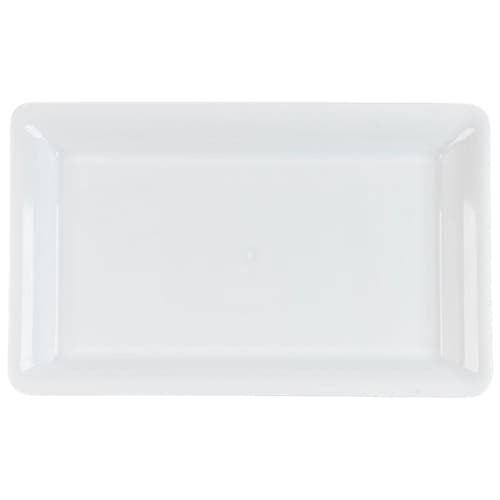
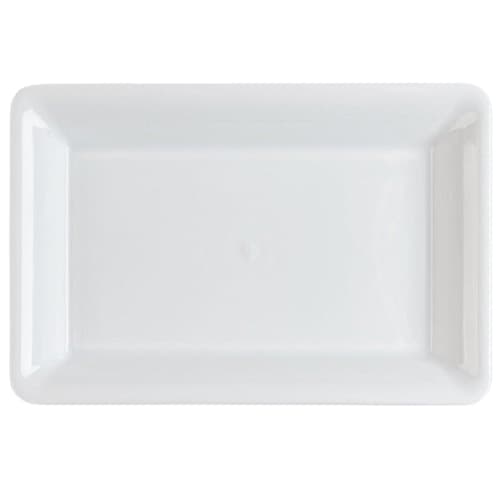
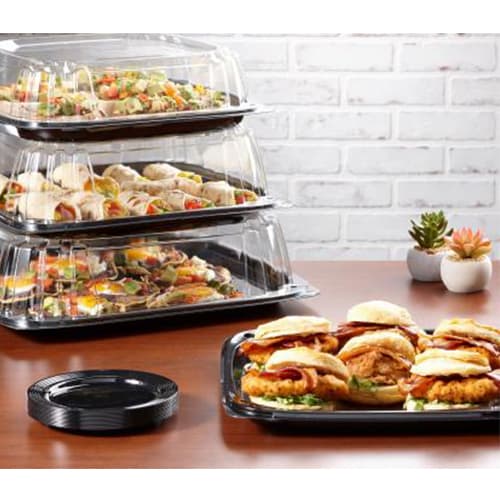
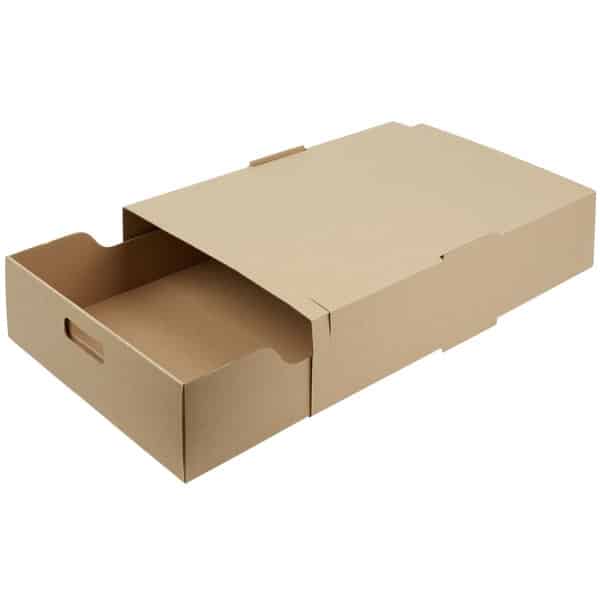
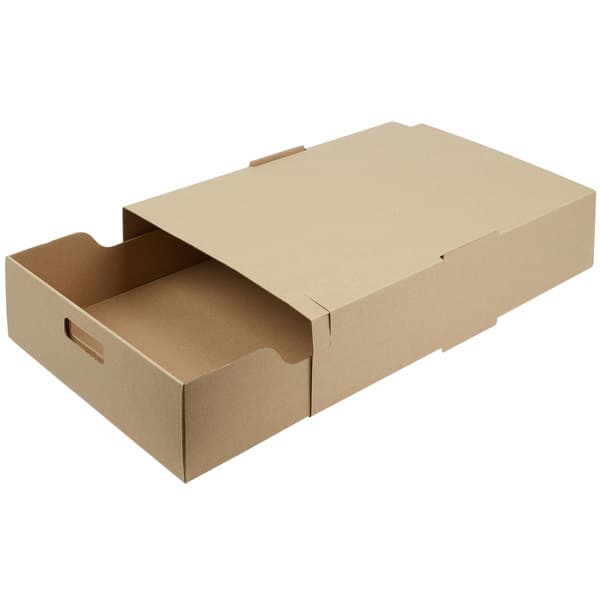
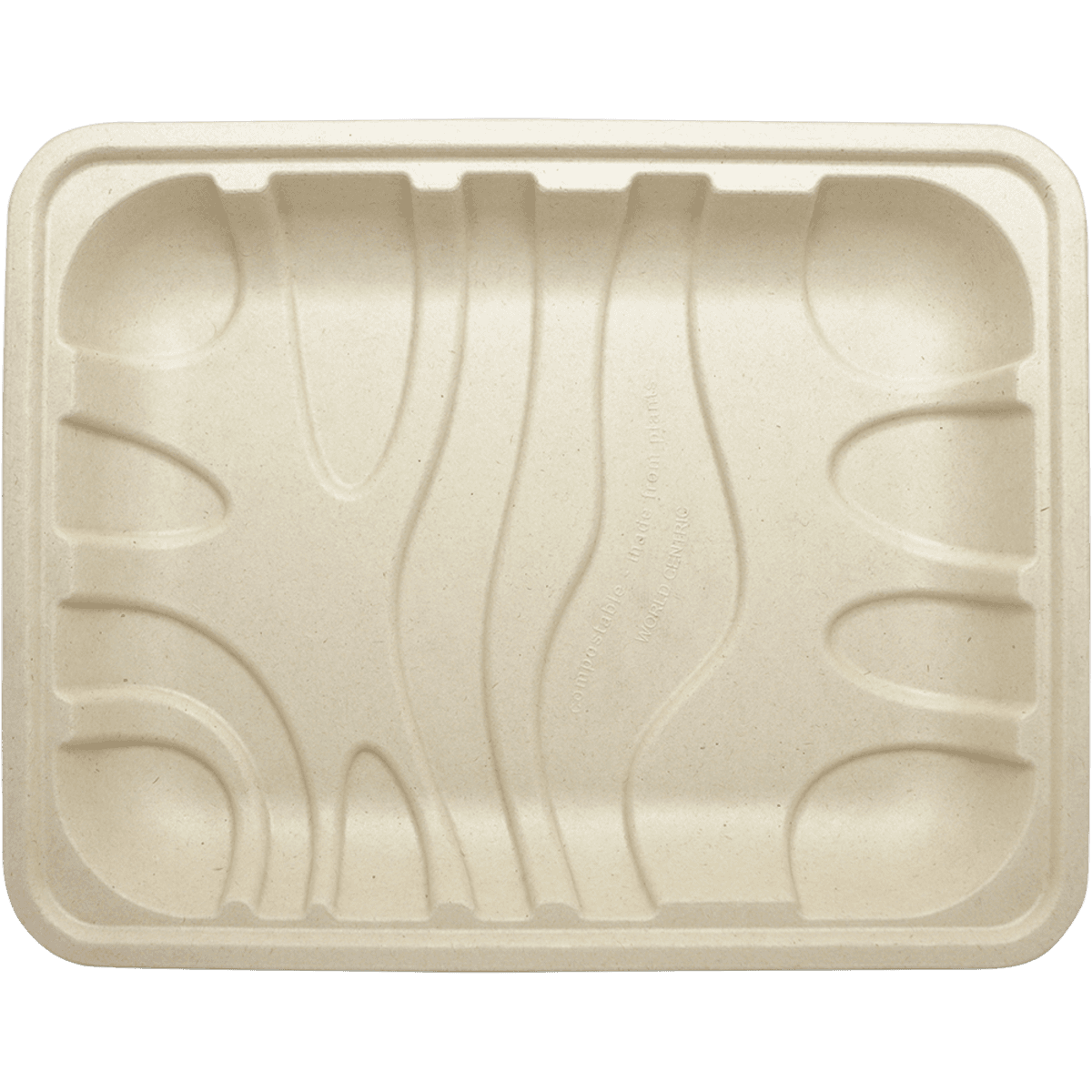
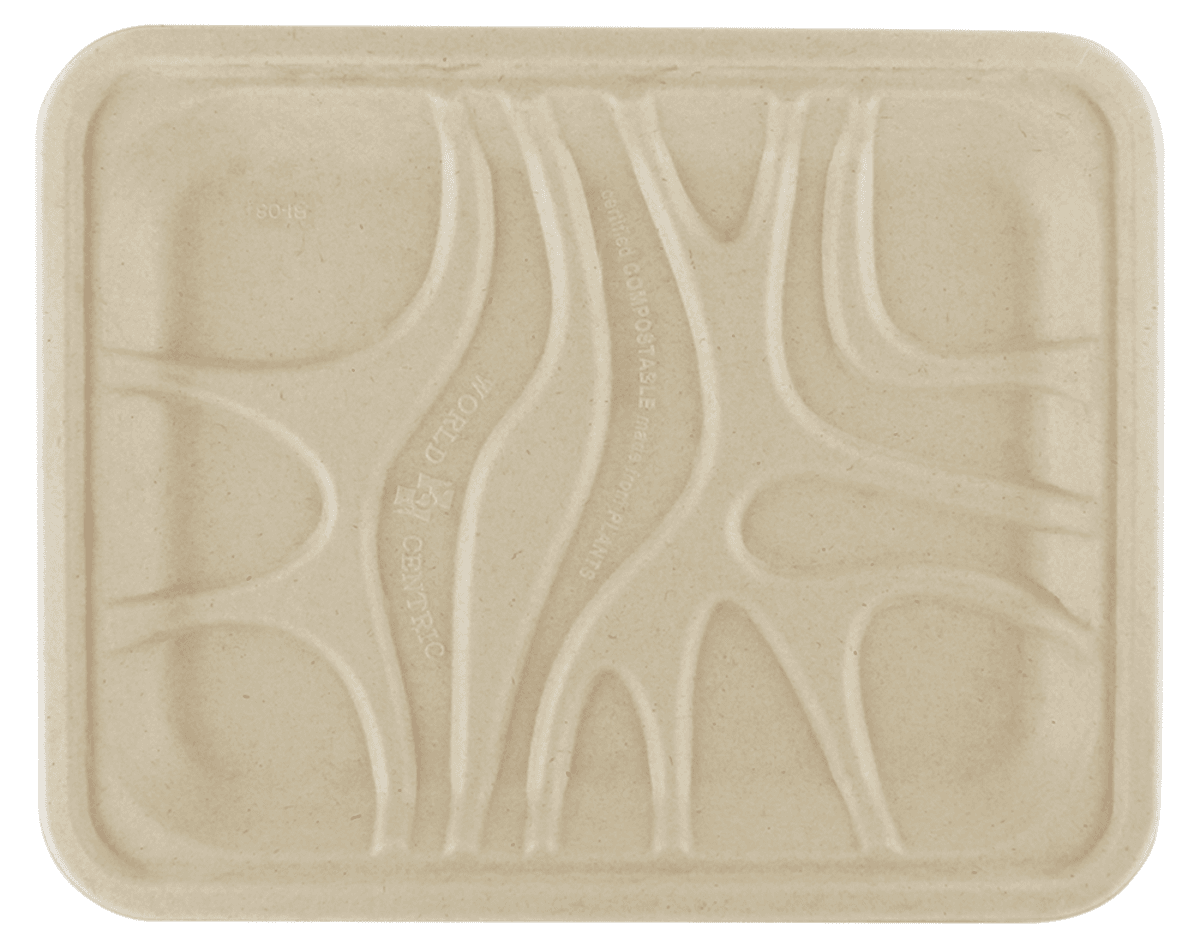
Hotel banquet operations typically use reusable polypropylene or stainless trays paired with warewashing protocols to minimize waste. For off-premise, outdoor, or eco-conscious events, disposable trays are a practical alternative. Options include PLA-lined compostable trays, bagasse fiber trays made from sugarcane byproduct, and kraft paper catering trays with covers for protected transport from kitchen to event floor. BPI Certified Compostable or ASTM D6400/D6868-compliant products meet sustainability benchmarks for green event programs.
Browse catering supplies and food trays suited for tray pass service.
Common Uses
Department & Usage: Tray pass is a front-of-house (FOH) function operated under the hotel Food & Beverage department, directed by a Banquet Captain and coordinated through the Expeditor at The Pass. It is used primarily during cocktail hours and pre-dinner receptions at hotel banquets, corporate events, award ceremonies, and luxury private receptions. The Banquet Event Order (BEO) defines staffing ratios, the menu of passed items, and the service timeline for each tray pass assignment.
Sustainability
Disposable trays used in tray pass service can be sourced in sustainable formats. PLA-lined compostable trays are industrially compostable and meet ASTM D6400 standards. Bagasse fiber trays — made from sugarcane byproduct — are a renewable, lower-footprint option. Kraft paper catering trays with covers offer biodegradable transport protection for passed items at outdoor or eco-conscious events. Reusable polypropylene or stainless trays paired with proper warewashing remain the lowest-waste option for high-volume hotel banquet programs. Look for BPI Certified Compostable or ASTM D6868-compliant labeling when sourcing disposable options.
Related Products