Portion Cup
A portion cup is a small, single-use food service container — typically 1.5 oz to 5.5 oz in volume — used to hold, serve, and present pre-measured quantities of condiments, sauces, dressings, dips, and other accompaniments in hotel catering, banquet, restaurant, and in-room dining service.
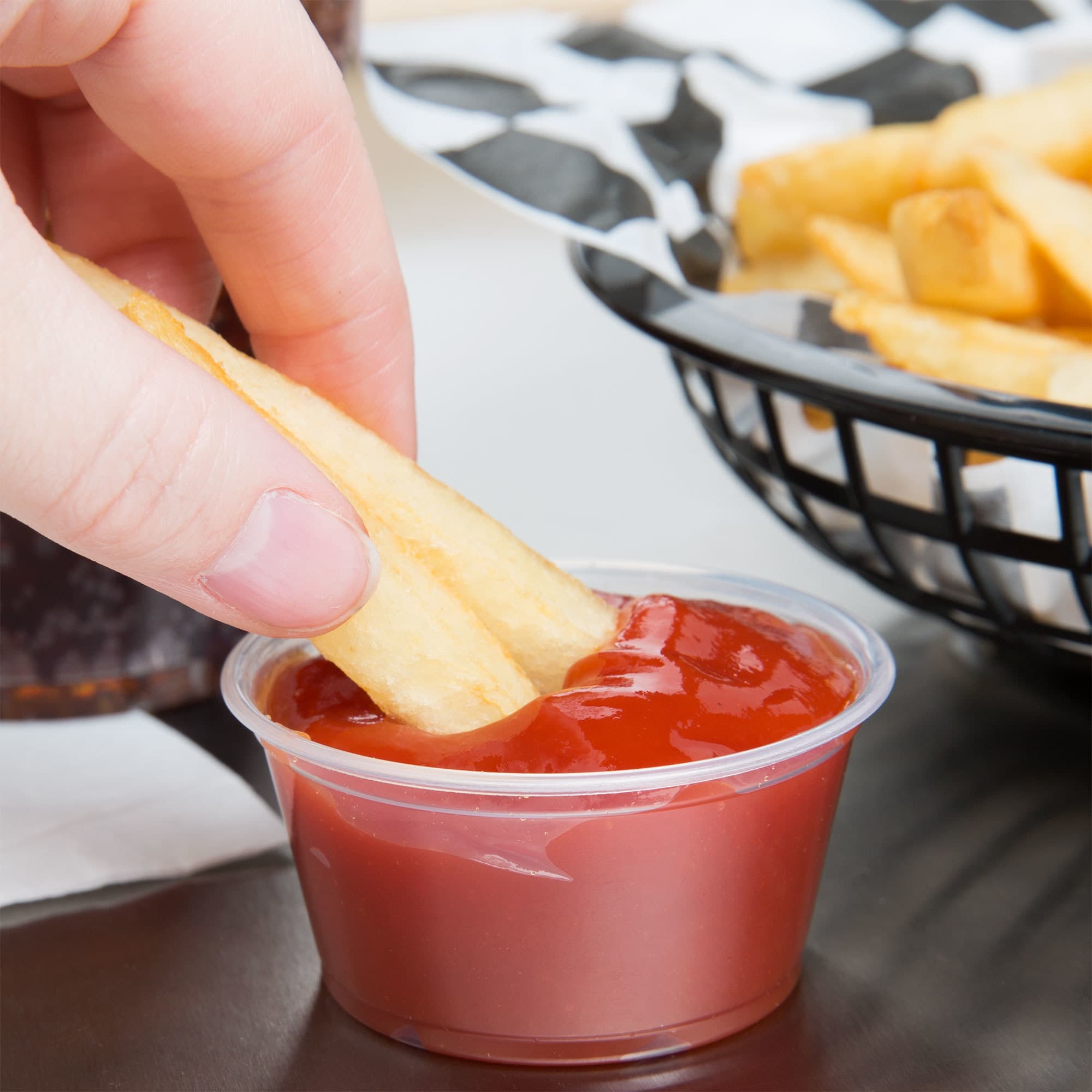
A portion cup is a small, single-use container — typically ranging from 1.5 oz to 5.5 oz — used in food service and catering to hold, serve, and present pre-measured quantities of condiments, sauces, dressings, dips, dessert toppings, and side items. Also called a souffle cup or sauce cup, portion cups are one of the most fundamental disposable supply items in hotel banquet, restaurant, and in-room dining operations.
How Portion Cups Are Used in Hotel Operations
Portion cups appear across multiple hotel departments, each with distinct applications. In the banquet and catering kitchen, they hold pre-portioned sauces, dressings, and toppings for plated meals, buffets, and action stations. In in-room dining, they accompany trays as condiment containers for dressings, sauces, and butter. During coffee service and break setups, they hold individual creamers, sugar syrups, and flavorings.
Pre-filling portion cups is a standard mise en place task in banquet prep. Kitchen teams use squeeze bottles to fill cups ahead of service, then stage them on sheet pans or trays for plating. At butlered service receptions and cocktail hours, portion cups are arranged on butler trays for passed sauce or condiment accompaniments.
Portion Cup Sizes and What Each Is Used For
Selecting the right size is critical for both food cost control and guest presentation. The standard size range in hospitality breaks down as follows:
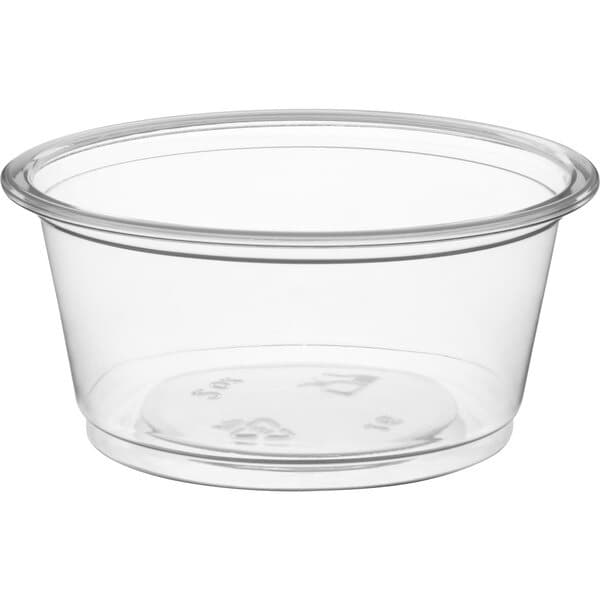
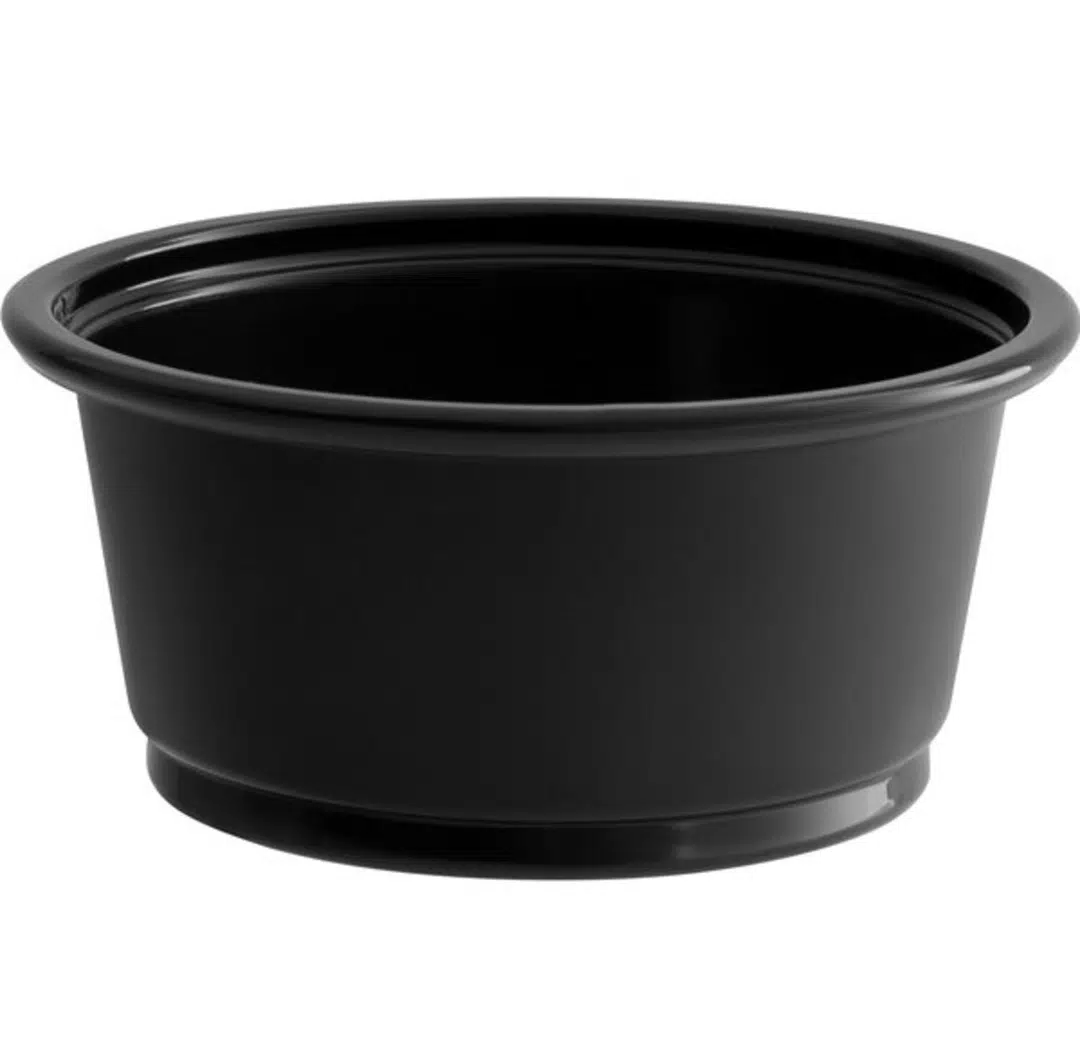
- 1.5–2 oz: Individual dipping sauces, dressings, butter, jam, spirits pours, and miniature condiment accompaniments. The highest-volume SKU in most catering operations. Shop clear portion cups or black portion cups in this size.
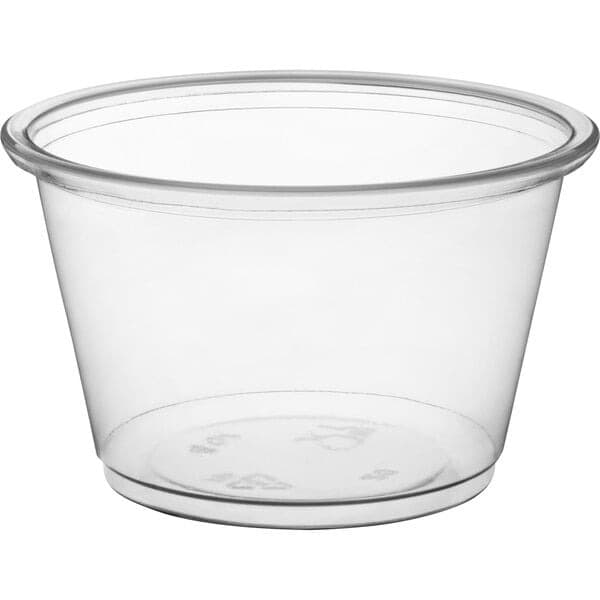
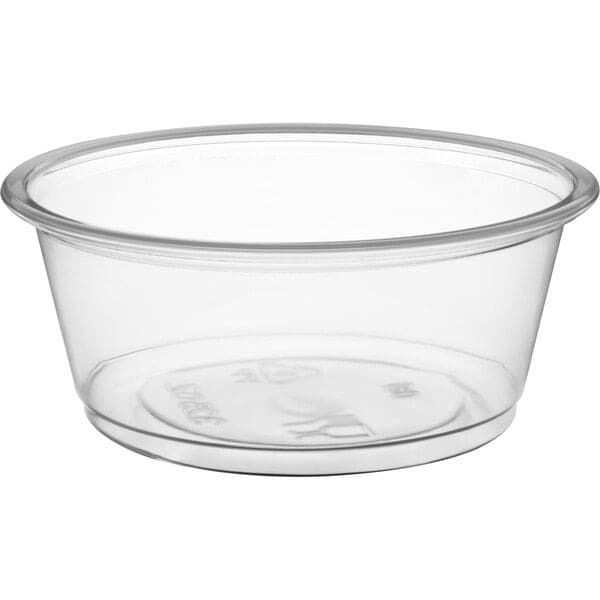
- 3–4 oz: Larger dips, thick condiments, small sides, and cocktail hour accompaniments. The mid-range size bridges individual condiment service and plated side dishes.
- 5.5 oz: Soups, larger side portions, and dessert toppings at buffets and action stations. The Solo P550N is a widely used option at this size.
Standard per-guest portioning benchmarks — 1–2 oz for sauce accompaniments, 2–4 oz for dips and sides — align directly with these cup sizes, making volume selection straightforward when planning catering menus.
Material Options: Clear, Black, and Compostable
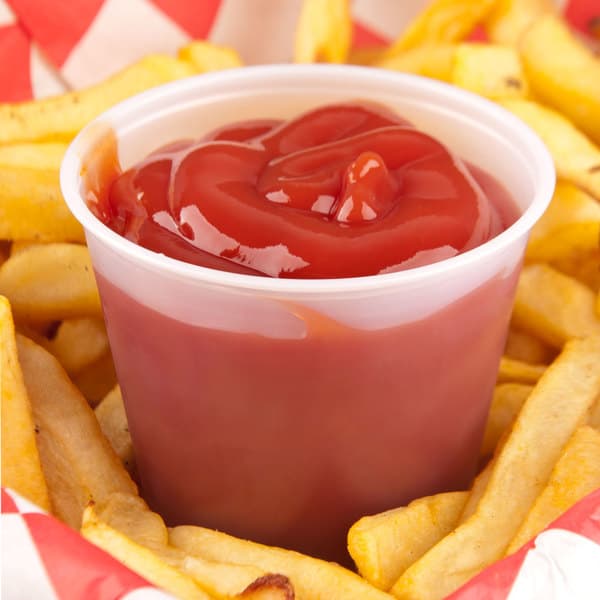
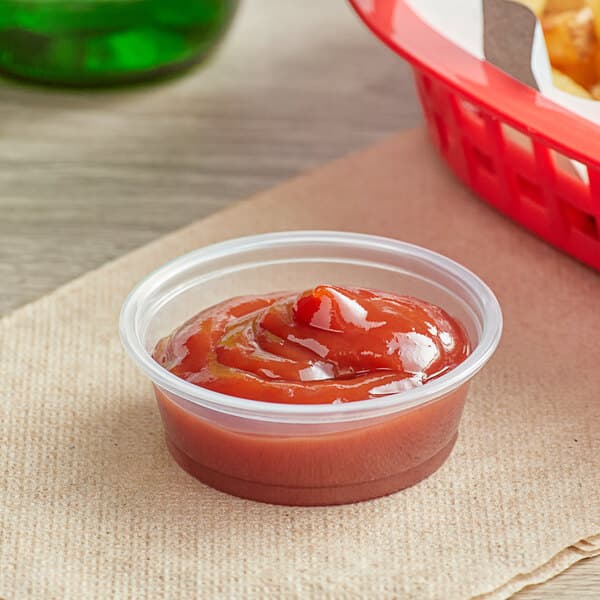
Clear polystyrene is the most common material, used in back-of-house and casual service contexts. It allows kitchen staff to identify contents at a glance during high-volume banquet prep — a practical advantage when dozens of sauce varieties are staged simultaneously.
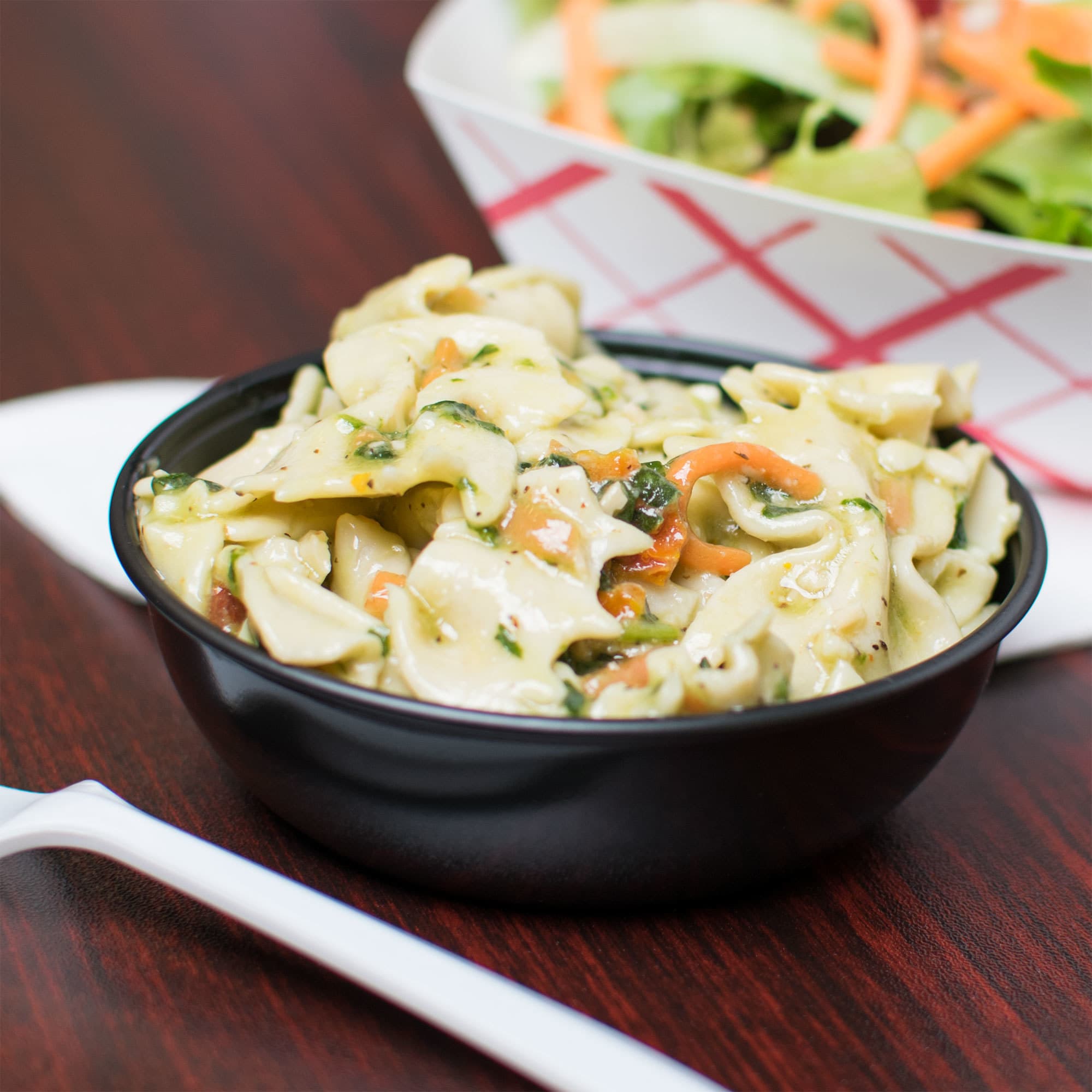
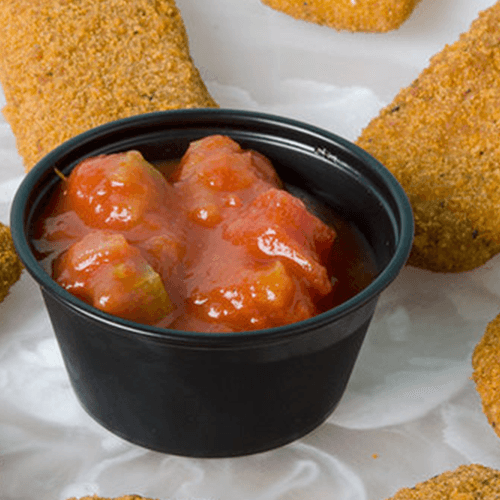
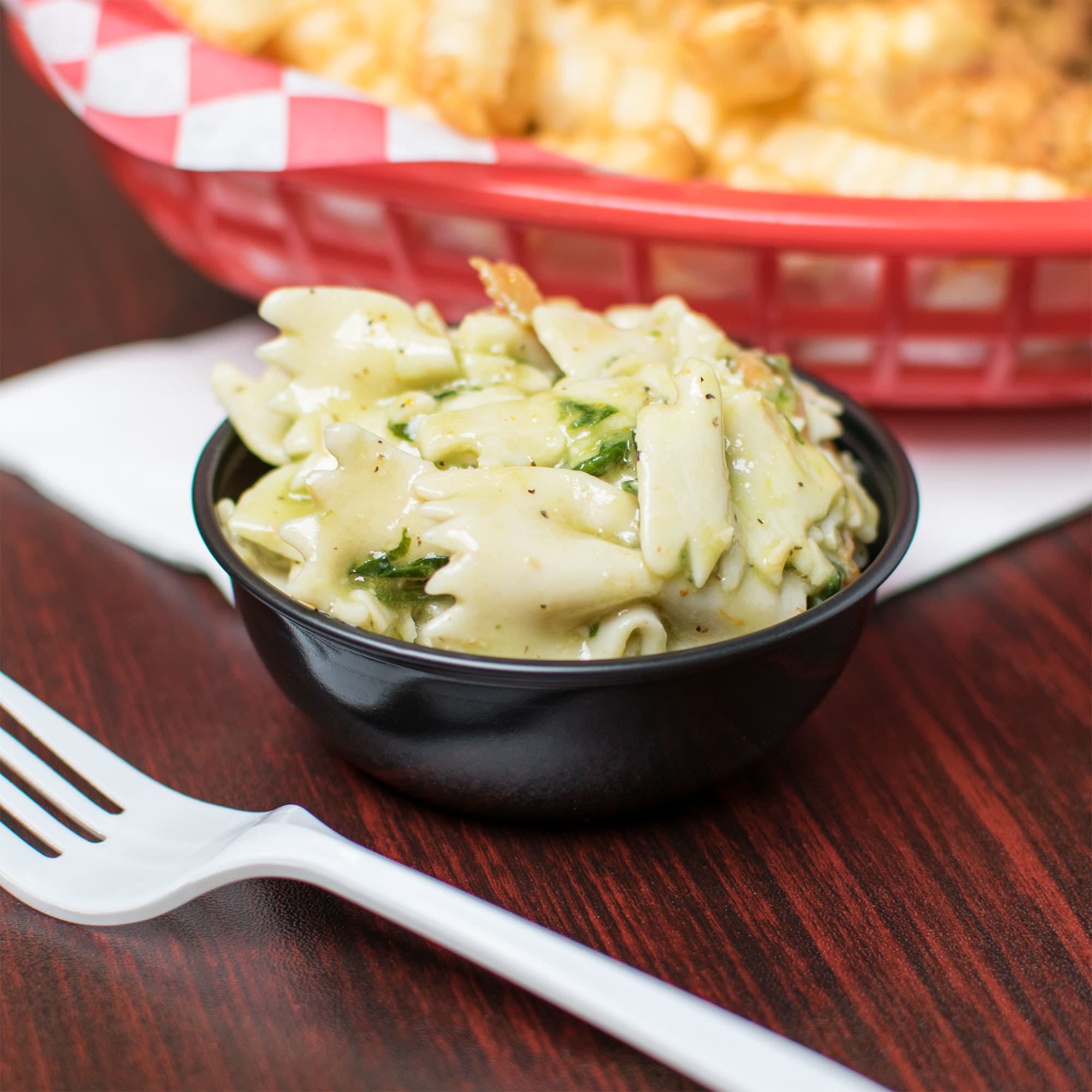
Black polystyrene portion cups deliver a more upscale, formal aesthetic. They are preferred for plated banquet service, high-end buffets, and action stations where visual presentation matters. Black portion cups from brands like Solo are a standard choice for hotel properties with elevated service standards.
For sustainability-focused properties, fiber portion cups made from bagasse or PLA (Polylactic Acid) are certified compostable alternatives. Any compostable cup used in a commercial composting program should carry BPI certification and meet ASTM D6400 standards.
Portion Cups and Food Cost Control
Portion cups are a direct tool for food cost management. By enforcing standardized serving sizes, they prevent over-portioning that inflates food cost and under-portioning that drives guest dissatisfaction. They are a frontline input in recipe costing for condiments and accompaniments, and their cost as a disposable supply is included in plate cost calculations for catered meals.
Variance from theoretical food cost targets often traces back to inconsistent portioning. Catering supervisors conduct regular portion audits and track unused pre-filled cups through the waste log to optimize future ordering quantities and reduce end-of-service waste.
Food Safety Compliance
Portion cups used for food contact must be made from FDA-compliant materials. Operators should verify cup ratings for cold or hot use before deployment — not all polystyrene cups are rated for warm sauces. Covered or lidded portion cups are required when transporting pre-portioned condiments to maintain food safety under HACCP-aligned portioning SOPs.
Pre-portioned cold condiments — such as dairy-based dressings or butter — must be maintained at 41°F or below, consistent with cold-holding standards. Portion cups holding warm sauces fall under hot-holding and time-temperature control requirements. TCS foods like cream-based dressings require careful monitoring regardless of serving vessel.
Ordering and Inventory
Portion cups are purchased in bulk cases of 250–2,500 units, making per-unit cost a key purchasing metric. High-volume banquet operations stock multiple size variants — typically 2 oz, 4 oz, and 5.5 oz — and reorder based on event bookings and par-level inventory practices. The full portion cups category at SupplyClub covers the complete size and material range used in professional catering operations.
For operators comparing disposable and reusable service options, ramekins are the ceramic reusable equivalent to portion cups — a useful comparison when evaluating service style, labor, and sustainability trade-offs.
Key Properties
Common Uses
Department & Usage: Portion cups are used across hotel banquet/catering kitchens, in-room dining, coffee service, and restaurant/bar operations. In banquet prep, kitchen staff pre-fill portion cups with sauces, dressings, and condiments as part of mise en place — often using squeeze bottles — then stage them for plating or buffet stations. At action stations and buffets, portion cups hold dipping sauces, butter, syrups, and dessert toppings. In-room dining trays use portion cups for condiment accompaniments. Coffee service and break setups use them for individual creamers and flavoring syrups. Purchasing managers order portion cups in bulk cases by size variant (2 oz, 4 oz, 5.5 oz) based on par levels and event booking calendars.
Sustainability
Standard polystyrene portion cups are not recyclable in most municipal programs, posing a challenge for hotels pursuing LEED, Green Key, or similar sustainability certifications. Compostable alternatives — made from PLA or bagasse fiber and certified to BPI and ASTM D6400 standards — are available for properties with commercial composting infrastructure. Switching to compostable portion cups supports a hotel's sustainability narrative and can contribute to guest loyalty among eco-conscious travelers. Ordering in large case quantities (2,500 units) also reduces per-unit packaging waste and shipping emissions compared to smaller case orders. See SupplyClub's guides on compostable cups for hospitality operations, sustainable cups and brand loyalty, starting an eco-friendly packaging program, and bagasse fiber as a compostable material.
Related Products