Cocktail Buffet
A cocktail buffet is a catering service format combining stationary food displays of bite-sized appetizers and finger foods with cocktail-party service, designed for standing guests to self-serve while mingling — commonly used at hotel receptions, wedding cocktail hours, and corporate events.
A cocktail buffet is a hybrid catering format that combines stationary food displays with cocktail-party service — featuring bite-sized appetizers, canapés, skewers, charcuterie, and other hand-held items arranged on buffet tables for standing guests to self-serve. Unlike a full buffet dinner, the cocktail buffet is intentionally designed for mingling, not seated dining.
How a Cocktail Buffet Differs from Other Buffet Formats
A standard buffet service offers complete courses — salads, entrées, sides, and desserts — for guests who carry a full plate to a seat. A cocktail buffet replaces that with finger foods and small-portion items guests can eat while standing, typically lasting 1–2 hours rather than a full meal period.
The room setup reflects this difference. Cocktail buffets use highboy (cocktail-height) tables and cocktail rounds instead of banquet rounds, and require significantly less square footage per guest. If some seated dining is added to the format, banquet rounds may be incorporated for a hybrid setup.
Common Event Types
Hotel banquet and catering departments deploy cocktail buffets for corporate networking receptions, wedding cocktail hours, pre-conference welcome receptions, award ceremony pre-functions, and holiday parties. The format works well in hotel ballrooms, pre-function spaces, outdoor terraces, and garden venues.
For outdoor events, cocktail buffets require specialized planning — see outdoor catering setup for considerations around weather, equipment, and power access.
Room Setup and Equipment
Cocktail buffet display tables are typically draped with floor-length linens and finished with table skirting for a polished presentation. Buffet risers add height variation to the food display, improving visual appeal and guest access. Pipe and drape systems can define zones or create backdrop separations within the event space.
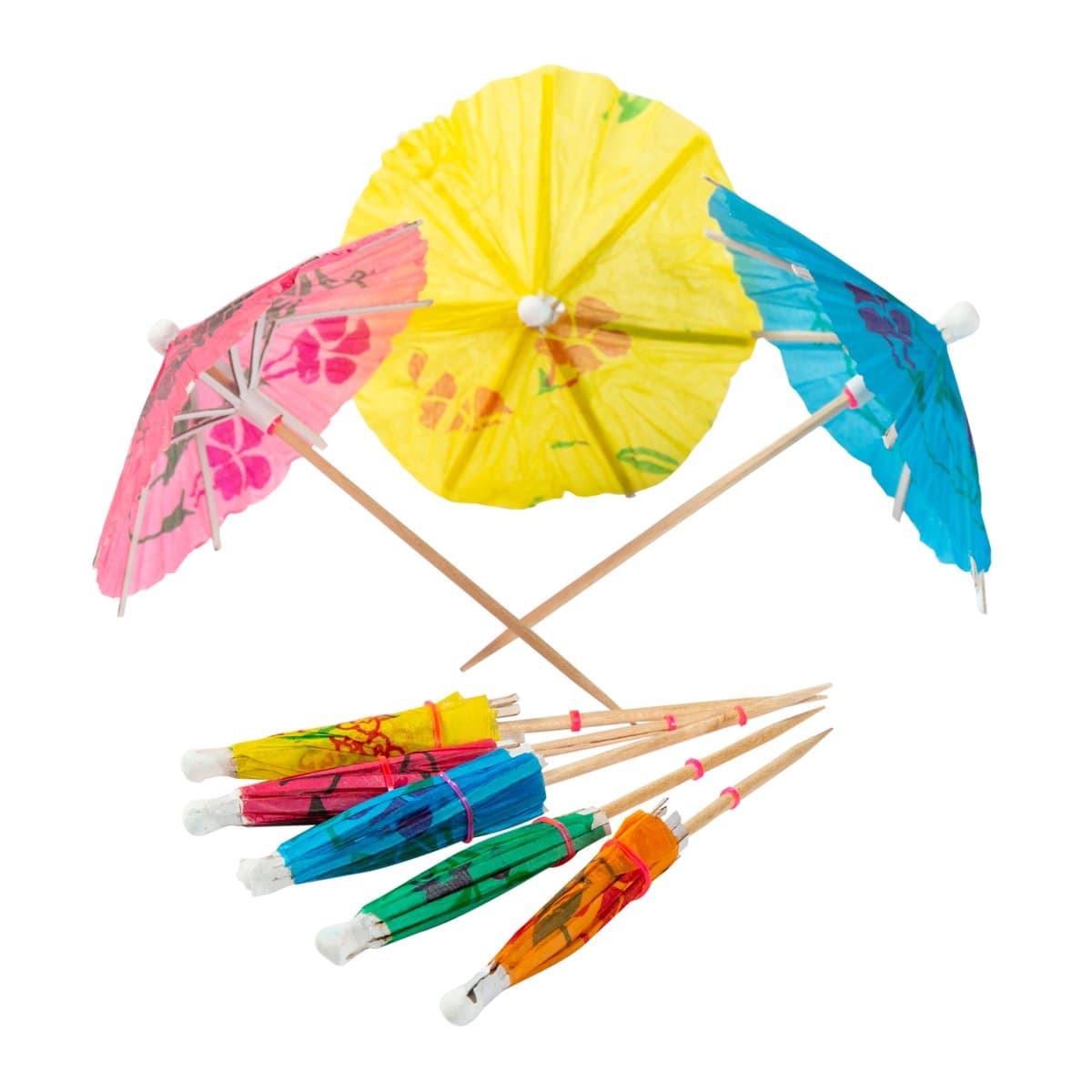
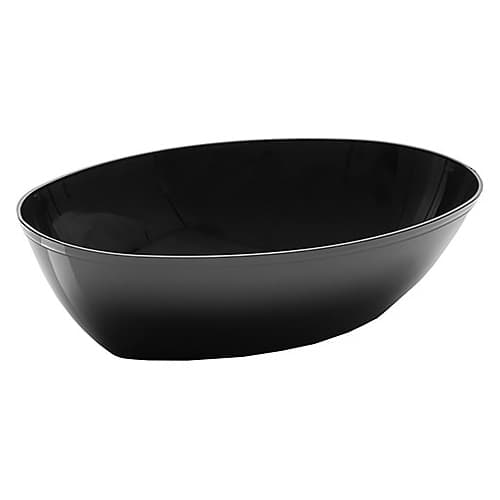
Large-format serving bowls — such as a half-gallon polystyrene luau bowl — work well for displaying dips, cold salads, and appetizers on the buffet table. Cocktail picks are used to skewer bite-sized items, and garnish trays support beverage service at adjacent bar stations.
Passed Service and Butler Combinations
Many cocktail buffets combine the stationary display with tray-passed hors d’oeuvres — servers circulating the room with trays of additional items. This is sometimes called butlered service and increases the perceived service level at upscale events.
Industry standard for passed hors d’oeuvres is 4–6 pieces per person per hour when the cocktail buffet is the sole food service, or 2–3 pieces per person per hour when a seated dinner follows. Server trays are the primary tool for circulating passed items through the room.
Food Stations and Premium Add-Ons
Food stations — charcuterie, sushi, crudités, or themed displays — are standard components of a cocktail buffet. For longer events or premium receptions, action stations (chef-attended live cooking) and a carving station are common upgrades that increase guest engagement and per-person revenue.
Pricing and Revenue
Hotels price cocktail buffets on a per-person basis through the Catering Sales or Banquet department, often paired with a food-and-beverage minimum. Pricing accounts for the number of food stations, passed hors d’oeuvres counts, and the bar package selected (hosted bar, cash bar, or beverage-inclusive package).
The format is revenue-efficient for catering departments. Cocktail buffets require less linen, flatware, and china than a plated service while still generating strong per-person F&B revenue — making them a preferred format for high-volume catering programs.
Beverage Service
Bar service at a cocktail buffet runs through a stationary bar, a back-bar setup, or passed beverage trays — often a combination. Speed rails keep high-volume spirits organized for fast service, and a bar caddy keeps straws, napkins, and stirrers organized at the bar station.
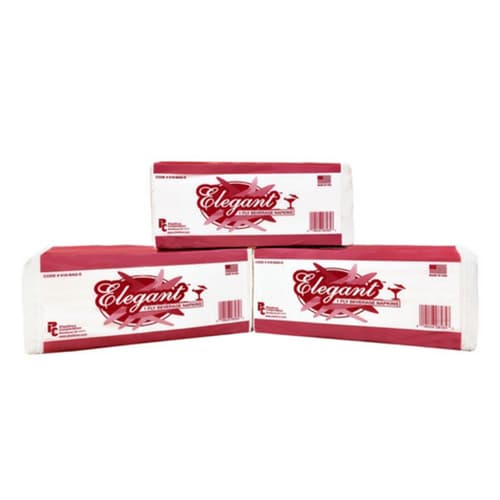
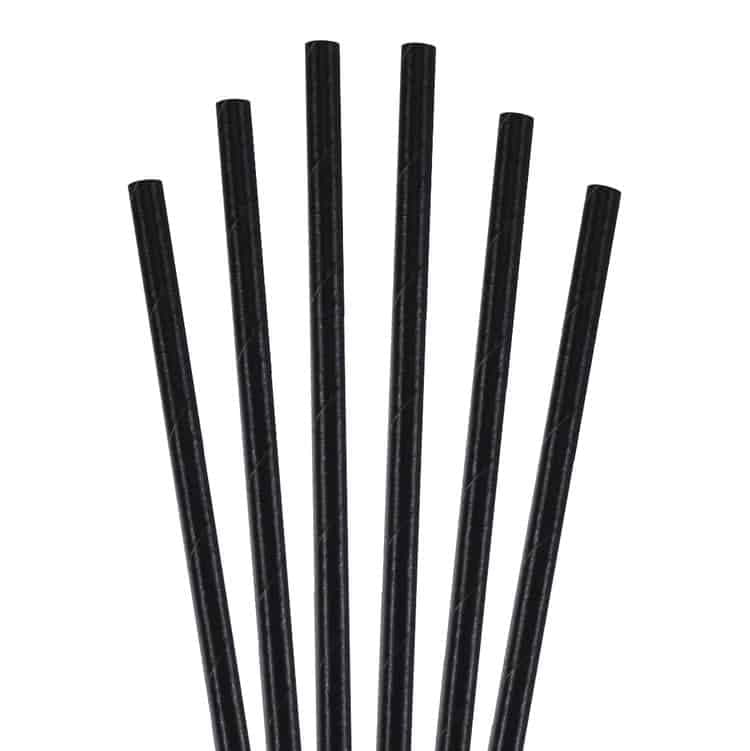
Cocktail napkins and cocktail straws are core supply items at every cocktail buffet. High-volume cases of 1-ply beverage napkins are standard for banquet procurement. Sustainable programs replace plastic straws with paper, agave, or PHA cocktail straws — available through SupplyClub’s Straws and Stirrers category.
Food Safety Requirements
Per the FDA Food Code and HACCP standards, hot items on a cocktail buffet must be held at or above 140°F using chafing dishes fueled by Sterno. Cold items — seafood displays, crudités, chilled appetizers — must stay at or below 41°F using ice displays or refrigerated units.
Food must not remain in the temperature danger zone (41°F–140°F) for more than 4 hours. Time-temperature control monitoring applies throughout the event, and all banquet staff executing the service should hold ServSafe certification. Sneeze guards may be required on open buffet displays per local health department regulations.
Food transport from the kitchen to the event floor uses Cambro insulated transport containers and insulated carriers to maintain safe holding temperatures in transit. Catering carts move equipment and replenishment supplies between kitchen and event space.
Sustainability Considerations
Cocktail buffets generate less food waste per cover than plated dinners when finger foods are properly portioned — but over-forecasting quantities can result in significant waste. Eco-conscious hotels replace single-use plastic straws with paper or plant-based alternatives and swap out plastic cocktail napkins for compostable or bagasse options.
Reusable serviceware — china, glassware, stainless chafers — is the preferred choice over disposables for upscale cocktail buffets as part of a sustainable hospitality strategy. Leftover food must be handled per an established Food Safety Plan and should not be repurposed without verified temperature logs.
Common Uses
Department & Usage: The cocktail buffet is planned and executed by the hotel's Banquet and Catering Sales departments, documented in the Banquet Event Order (BEO) as a distinct service type. Catering managers use it to quote per-person pricing for corporate receptions, wedding cocktail hours, pre-conference welcome events, and award ceremony pre-functions. Banquet captains coordinate room setup (highboys, cocktail rounds, buffet display tables), food safety compliance, and the combination of stationary buffet displays with passed hors d'oeuvres service during the event. Purchasing managers source cocktail napkins, straws, serving bowls, and chafer fuel in bulk for high-volume catering programs.
Sustainability
Cocktail buffets generate less food waste per cover than plated meals when finger foods are accurately portioned, but over-forecasting is a common source of waste. Hotels reducing their event footprint are replacing single-use plastic cocktail straws with paper, agave, or PHA alternatives and substituting plastic napkins with compostable or bagasse cocktail napkins. GBAC-certified and Green Seal properties often require locally sourced, seasonal menu items for cocktail buffet offerings to reduce supply chain carbon footprint. Reusable china, glassware, and stainless chafing dishes are preferred over single-use disposables for upscale events. Any leftover food must be handled per a documented Food Safety Plan — with verified temperature logs — before donation, composting, or disposal.
Related Products